

Can You Remove Records from CourtListener?
CourtListener republishes public court opinions, docket entries, and filings from federal and state courts. Although the data originates from public sources, the platform does accept removal requests under certain conditions, particularly when a record has been sealed or presents a clear privacy concern.
If your name appears in a CourtListener record and you want it removed from search results, you can request that the page be restricted or excluded from indexing. For those dealing with widespread listings, utilizing a professional court record removal strategy is often the fastest way to clear your name.
This information is not legal advice. For legal guidance, consult an attorney in your state.
What Is CourtListener?
CourtListener is a public legal research platform operated by the Free Law Project. It provides free access to millions of court opinions and docket entries and is widely used by journalists, researchers, attorneys, and the general public.
Because the website mirrors public legal documents, case information can remain visible online long after the matter has concluded. Fortunately, CourtListener offers a process for individuals to ask for the removal or suppression of certain records.
How to Request Removal from CourtListener
If you want a case removed or hidden on CourtListener, follow these steps:
1. Gather the Record Information
Search for your case on CourtListener and identify each page you want reviewed. Copy the full URLs and gather any supporting documentation, such as a court order confirming that the case has been sealed, expunged, or corrected. This information will strengthen your request.
2. Submit a Removal Request
Visit the CourtListener contact page and complete the form with the required details. You will need to include:
- The URL or URLs of the record you want removed
- A short explanation of why you are requesting removal, such as privacy risks, outdated information, or reputational harm

CourtListener recommends using their online form to ensure your request is received, but you may also contact them directly by email if necessary.
3. Wait for a Response
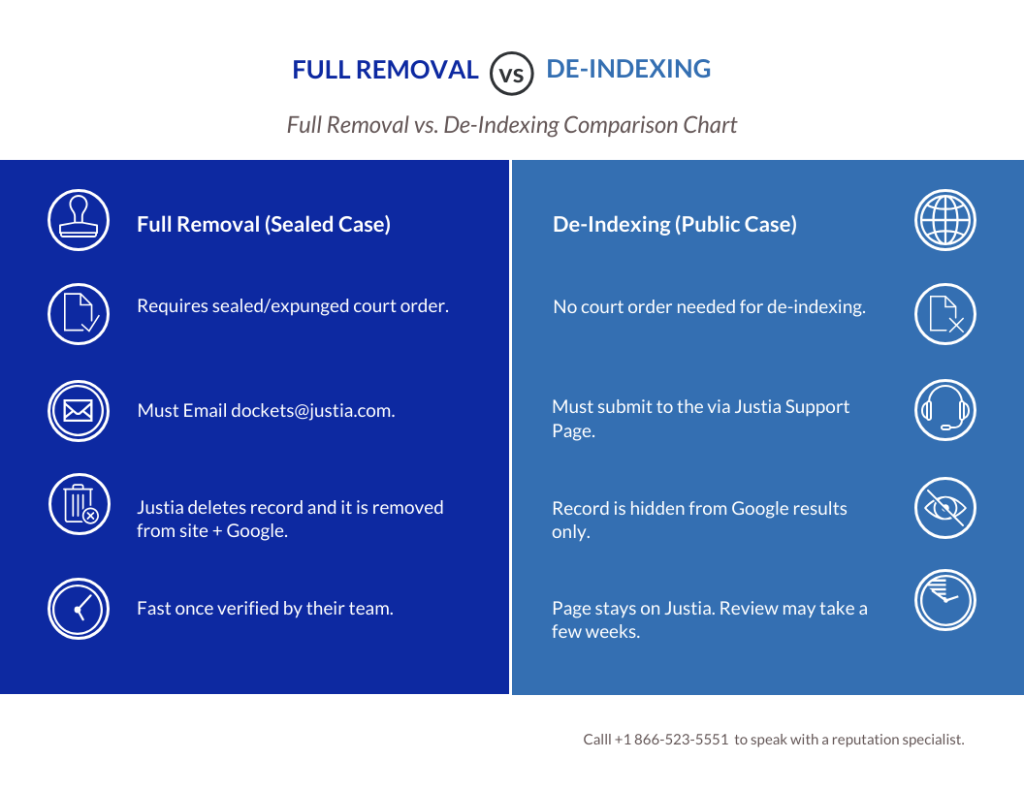
CourtListener usually replies within a few weeks. If your request is approved, the platform will block the URLs from search engine indexing using technical methods such as meta tags or header instructions. You will receive confirmation once the update is completed.
What If CourtListener Will Not Remove It?
If CourtListener denies your request or is unable to remove the information, suppression is the most effective alternative. Suppression reduces the visibility of CourtListener pages by ranking more relevant, positive content higher in search results.
Guaranteed Removals specializes in minimizing the impact of online court records by pushing down outdated content and improving your overall search presence. Our team can take direct action to ensure your reputation reflects your current circumstances.
Legal Options or Expungement
If your case qualifies for sealing or expungement, you can file a petition with the court where your record originated. Once approved, the sealed order can be used as evidence to support your CourtListener removal request.
Sealing requirements vary between states, so it is best to speak with a licensed attorney to confirm eligibility. General guidance is available through the National Center for State Courts.
This information is not legal advice. For legal guidance, consult an attorney in your state.
How Long Does Removal Take?
CourtListener typically responds within a few weeks, though timing varies based on request volume. Once they approve your request, the URLs are blocked from Google and other search engines soon after.
Search engines may take up to 90 days to fully remove the blocked pages from their results.
FAQs
Can CourtListener remove my record if the case was dismissed?
Possibly, but you will need documentation showing the case has been sealed or corrected by the court. CourtListener mirrors public records, so dismissed cases remain visible unless legally restricted. Including a sealed or expunged order greatly increases your chances of removal.
Can I request removal without a court order?
Yes, but the outcome depends on your circumstances. CourtListener may approve removal if you can demonstrate privacy concerns, safety risks, or significant reputational impact. Submitting as much detail as possible helps strengthen your request.
Does CourtListener comply with right-to-be-forgotten laws?
No. CourtListener operates under United States transparency and public record laws, not European privacy regulations. Removal decisions are based on CourtListener’s internal policies. Your best option is to follow their request process or seek legal relief through the court system.
What if CourtListener denies my request?
If your request is denied or cannot be processed, suppression is the next best approach. Guaranteed Removals uses proven optimization strategies to lower the visibility of CourtListener pages in search results. This ensures your online presence highlights updated and accurate information instead.
Can Guaranteed Removals assist with CourtListener removals?
Yes. Our specialists handle documentation, communication, and suppression strategies to help restore your online reputation. We work discreetly and efficiently to reduce the impact of court records on your search results.


